The Case for Unified Radio Platforms: How Radioplayer Helps Broadcasters Stay Strong in a Connected World
Radio has proven a remarkably resilient medium, preserving its essential qualities of trust, immediacy and intimacy even through the digital transition. Yet as listening fragments across cars, smartphones, smart speakers, televisions and voice interactions, the challenge radio faces today has shifted away from content toward distribution.
Radio has proven a remarkably resilient medium, preserving its essential qualities of trust, immediacy and intimacy even through the digital transition. Yet as listening fragments across cars, smartphones, smart speakers, televisions and voice interactions, the challenge radio faces today has shifted away from content toward distribution. For individual broadcasters, responding independently to every connected platform carries heavy cost and technical burdens, while dependence on global technology platforms continues to deepen. Founded over a decade ago by the BBC and the UK's leading commercial radio groups, Radioplayer offers a broadcaster-owned, non-profit unified-platform model built on the principle of "competing on content but collaborating on technology." It now powers more than 10,000 stations across 27 countries, spanning cars, apps, smart speakers, connected TVs and voice platforms. A unified radio platform shares the technical foundations—metadata, distribution and in-car integration—while safeguarding each broadcaster's independence and its ownership of brand and data. As one of the world's most advanced and connected markets, Korea is well positioned to build such a unified radio infrastructure ahead of others. This article explores the strategic value of shared infrastructure that enables broadcasters to grow stronger together.
1. Introduction
Radio has remained one of the most resilient media formats in modern society and its importance to listeners as a trusted source of news, entertainment, companionship and information in times of crisis has never been more needed. This is true in regions around the world and especially so in the rich and diverse radio landscape of South Korea. But while ubiquitous connectivity has lent itself to fragmentation within the industry and radio brands developing their own products, a strong broadcaster-owned, unified radio platform that compliments broadcasters own apps, can help broadcasters within a country come together to more effectively compete and keep radio listening strong. Radioplayer led the way with this approach over 10 years ago with the aim for broadcasters to "compete on content but collaborate on technology" and our unified platform is now available in 27 countries with more to come.
Across every major technological shift, from analogue transmission to digital broadcasting, from fixed receivers to smartphones and connected devices, radio has adapted without losing its essential character. That resilience is unusual. Many media formats have been fundamentally reshaped by digital transformation, but radio has maintained something remarkably stable: a simple and trusted relationship with its audience. That simplicity has always been one of radio's greatest strengths. For listeners, radio has traditionally been immediate and frictionless. It offers companionship, music, news and live experiences without requiring complex decisions or navigation. It remains one of the easiest forms of media to access, and that ease of access has been central to its long-term success.
What makes this even more remarkable is that radio has always been structurally fragmented. Behind the listener experience sits a highly decentralised ecosystem made up of thousands of stations, different ownership models, public and commercial broadcasters, and different technologies. Yet listeners rarely experience that complexity. For them, radio feels unified. It feels like one category, one habit and one familiar experience. That consistency has protected radio through every previous technological shift. But the current transition is different. Today, the challenge facing radio is not content. Radio content remains strong, trusted and highly relevant. The challenge is increasingly one of distribution.
2. Radio's Challenge : Distribution, Not Content
In South Korea, as in many other advanced digital markets, audiences are more connected, more mobile and more platform-driven in how they consume content. Listening no longer happens in one place or through one device. It moves between the car, the smartphone, the home speaker, the television and increasingly voice-driven environments. In this new landscape, radio no longer competes only with other radio stations. It competes with streaming platforms, podcasts and algorithm-driven audio services that are deeply integrated into digital ecosystems.
This creates new complexity for broadcasters. Maintaining a strong presence across multiple connected platforms requires app development, metadata management, device integrations, analytics tools and increasingly in-car solutions. For individual broadcasters, building and maintaining all of this independently is costly, technically demanding and difficult to scale. Even when broadcasters invest in digital distribution, they often remain dependent on global technology platforms that control access, visibility and audience data.
This is where the case for unified radio platforms becomes clear. There are huge opportunities for Radio and broadcasters in the connected world but in many cases it requires collaboration, particularly on technology and data, to unlock them. New revenue opportunities are emerging in the car and across other platforms but they require broadcasters to work together to unlock them as in most cases the value is unlocked through scale and the data that comes with it.
A unified radio platform does not mean reducing broadcaster independence or centralising content. On the contrary, it is built on the idea that broadcasters should remain independent in what they create, how they programme and how they compete. But the infrastructure that supports radio in connected environments should not be fragmented. This distinction is important. Content should remain competitive. Technology should become collaborative. That principle sits at the centre of Radioplayer.
3. The Unified Radio Platform Solution
Radioplayer was founded over 10 years ago in the United Kingdom by the BBC together with the country's leading commercial radio groups. That collaboration was significant because it brought together organisations that normally compete for audience share and advertising revenue. They recognised that while competition in content drives quality and innovation, the technical challenges facing radio in the digital age are shared challenges that can be solved more effectively through collaboration. This became the guiding philosophy of Radioplayer: compete on content, collaborate on technology.
Radioplayer is a broadcaster-owned, non-profit technology platform designed to strengthen radio across connected environments while ensuring broadcasters remain in control of their brands, content and audience relationships. Its purpose is straightforward: to make radio easier to access for listeners and easier to distribute for broadcasters. Most importantly, broadcasters retain control over their content and unified products. There is no third-party in between broadcasters and their listeners who are seeking to monetise their content. Radioplayer is the broadcasters.
The Radioplayer model is organised country by country, allowing local broadcasters to maintain ownership and market control while benefiting from shared international technology, shared integrations and shared relationships with global platform partners. This creates a powerful combination of local relevance and global scale.
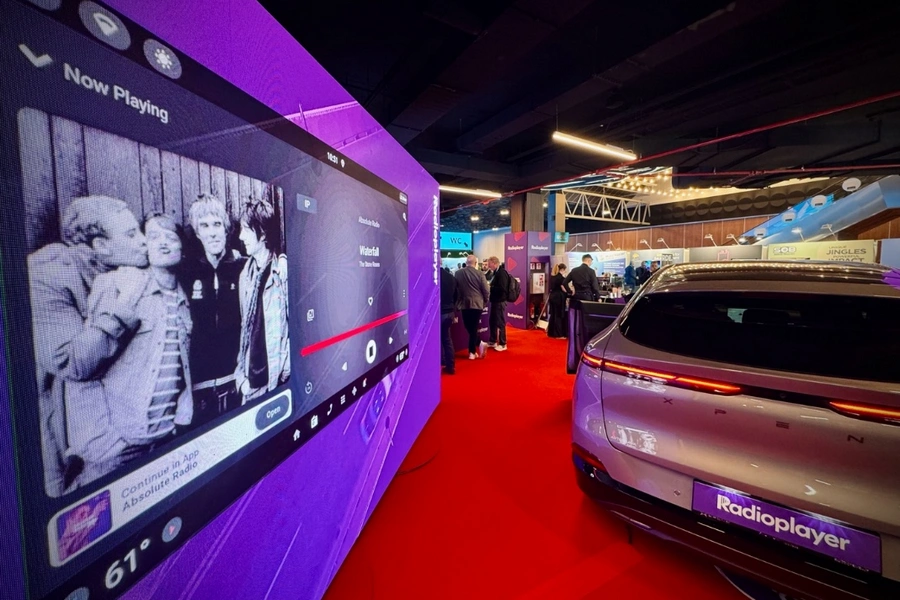
Figure 1 Radioplayer booth at an industry event
Over the last fifteen years, Radioplayer has grown int
a robust and trusted global broadcaster platform serving more than 10,000 stations across 27 countries. It now powers radio experiences across multiple connected environments, including cars, mobile apps, smart speakers, connected televisions, wearables and voice platforms. Its integrations include 17 major car brands, voice assistants such as Google Assistant and Alexa, and connected ecosystems including Sonos, LG and Samsung. This scale matters not because scale itself is the goal, but because scale creates consistency. And consistency is becoming increasingly important in a world where audiences expect continuity across devices.
Modern listening behaviour is fluid. A listener may begin the day in the car, continue on mobile during work, switch to a smart speaker at home and later access the same station through voice. The expectation is no longer tied to a single device. It is tied to continuity. Listeners expect their stations, content and brands to be present and familiar across every touchpoint.
4. The Radioplayer Model
4-1. The Radioplayer App Universe
At the centre of the Radioplayer model is what we call the Radioplayer App Universe. This is more than a single radio app. It is a connected product ecosystem designed to ensure that radio follows the listener across every important digital touchpoint.
Today, listening no longer happens in one place. A listener may begin in the car during the morning commute, continue on a mobile phone during the day, switch to a smart speaker at home, and later access the same station through a television app, browser player or voice assistant. The expectation is continuity. Radioplayer's App Universe is designed around that expectation.
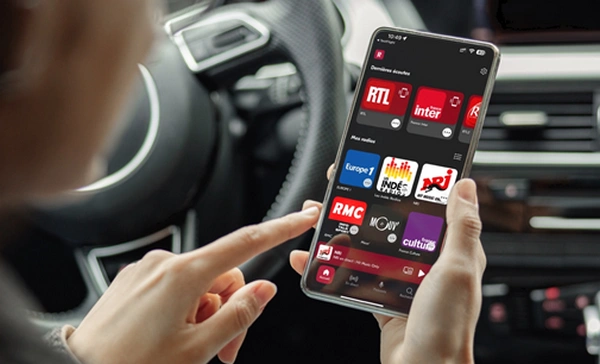
It creates one seamless listener experience across connected cars, mobile apps, TV platforms, smart speakers, browsers, wearables and voice-enabled devices. This means the broadcaster's station, branding, metadata and content remain synchronised wherever listening happens.
For listeners, this creates familiarity and simplicity. The station feels present everywhere. Instead of building and maintaining separate product experiences for every connected platform, broadcasters gain access to a shared ecosystem that keeps their content visible and accessible wherever audiences listen.
This is one of the most important strategic shifts in modern radio. Radio is no longer tied to a device. It has become a connected experience. Radioplayer's role is to make that experience coherent.
This model reflects broader changes in consumer behaviour. Streaming platforms have trained audiences to expect aggregation, simplicity and continuity. Radio must meet those expectations while preserving its own strengths. A unified app helps radio compete more effectively within app ecosystems by strengthening discoverability, increasing visibility in app stores and creating a stronger overall consumer proposition.
For broadcasters, the value is equally important. Each broadcaster retains its own brand, editorial identity and audience relationship, but gains access to a shared distribution model that improves reach and discoverability. Radioplayer synchronises station branding, metadata and accessibility across platforms, ensuring that listeners experience consistency while broadcasters maintain independence.
The app itself, however, is only the visible layer of a much broader infrastructure. One of the most important foundations of connected radio is metadata. In digital environments, metadata powers station discovery, programme information, artwork, schedules, now-playing information and voice accessibility. It helps platforms understand radio content and present it correctly to users. Without strong metadata, radio becomes harder to find, harder to integrate and easier to overlook.
Radioplayer has invested heavily in simplifying metadata management for broadcasters. By standardising and simplifying how metadata is created, managed and distributed, broadcasters can maintain quality and consistency across multiple connected platforms without building separate systems for each one. This reduces operational complexity while strengthening radio's position in connected environments where structured data increasingly determines visibility.
4-2. Broadcaster control
A connected radio experience depends on strong and accurate broadcaster data. That is why Radioplayer has developed self-service tools that give broadcasters direct control over how they appear across connected environments.
Through Radioplayer Broadcaster Portal broadcasters can manage station metadata, logos, stream URLs, podcast links, coverage information and publishing workflows from one place. This creates a much more efficient operational model and reduces dependency on fragmented third-party systems.
This matters because every piece of broadcaster data directly affects how stations appear inside connected cars, apps, smart speakers and voice interfaces. By giving broadcasters direct operational control, Radioplayer strengthens both quality and speed. Updates can be made quickly, content remains current and listener experiences remain consistent across platforms. This is an important part of broadcaster ownership. Not just owning the content. Owning the presentation of that content.
Distribution itself has also changed significantly. Traditional radio distribution was relatively straightforward. Broadcasters transmitted content, and audiences tuned in. In connected environments, distribution requires active integration into platform ecosystems. This means managing technical standards, maintaining compatibility, securing presence across major platforms and protecting radio's prominence inside increasingly crowded interfaces.
4-3. The role of Radioplayer
By acting as a shared distribution layer, Radioplayer secures and maintains radio's presence across major connected platforms at scale. This reduces technical and commercial complexity for individual broadcasters while strengthening the industry's collective position. It also helps ensure that radio remains visible and accessible in environments where access is increasingly shaped by software platforms rather than broadcasters themselves. This role becomes particularly important in the automotive sector.
Radio and the car have always had a uniquely strong relationship, and for decades the car has remained one of radio's most important listening environments. That relationship continues today, but the nature of the car has changed dramatically. Modern vehicles are increasingly software-defined. Dashboards are evolving into digital ecosystems organised around apps, interfaces and voice interaction. This creates both opportunity and risk for radio. The opportunity lies in richer, more connected listening experiences. The risk lies in competition for attention within interfaces increasingly shaped by global technology companies.
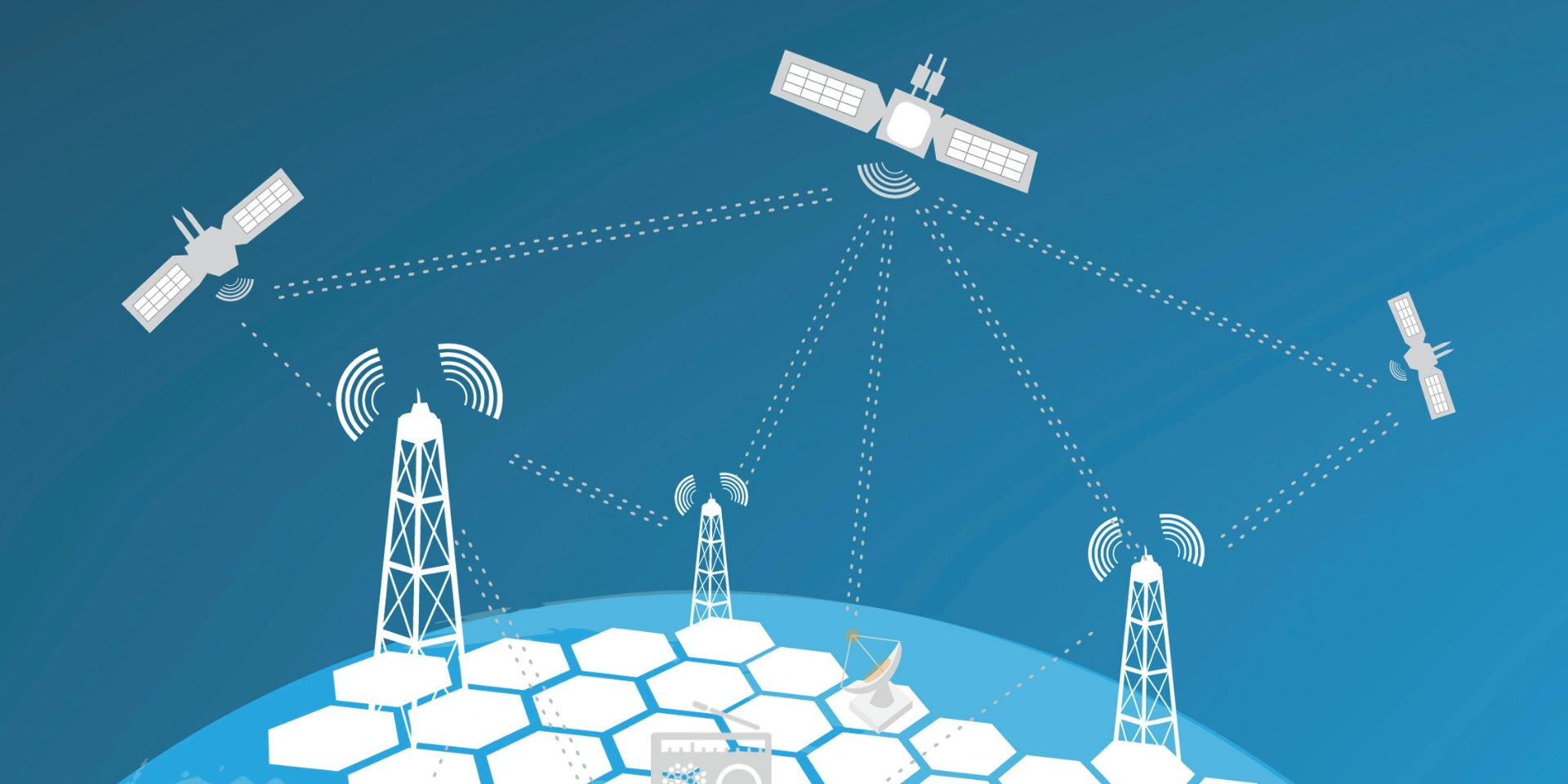
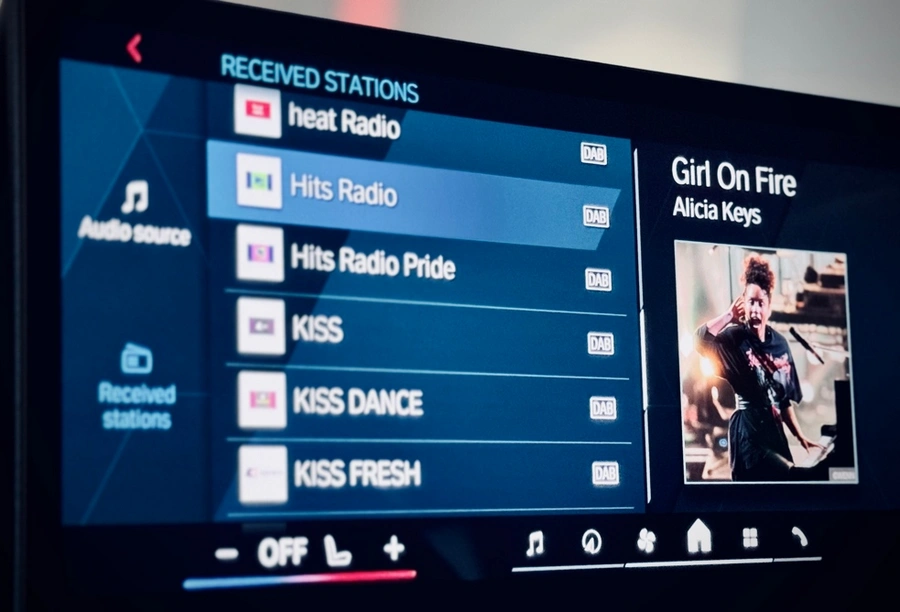
Radioplayer addresses this challenge by working directly with car manufacturers to integrate radio into the dashboard experience itself. Our Radioplayer In-Car is based on hybrid radio technology, combining traditional FM and AM broadcasting with IP connectivity, creating a seamless listening experience that preserves the reliability of broadcast while enhancing it with connected functionality such as artwork, live programme information, richer metadata and contextual content experiences.
This hybrid model creates a stronger listener experience while
also strengthening station branding and discoverability, putting broadcasters in control. It also creates continuity between broadcast radio and app-based listening, and the unified platform and broadcasters own apps. Bridging this gap is something that enables the listener to have one simple way in to all radio content while also allowing broadcasters to leverage the stronger brand identity and unique content in their own apps. Radioplayer was the first organisation to develop and showcase the app-linking feature that allows users to easily go to a broadcaster app from the main broadcast hybrid radio experience in the car and it will be live in new cars soon. Broadcasters can connect live broadcast with digital services and branded experiences, allowing listeners to move more seamlessly between broadcast and connected environments. This hybrid approach reflects the future of in-car audio, where live radio and digital functionality increasingly coexist.
4-4. The Opportunity of Connected Listening : Data
Traditional broadcasting offered limited audience insight. Connected listening changes that by creating measurable audience behaviour across platforms and devices. Broadcasters can better understand where listening happens, how listeners move between platforms and what content performs best. For example, broadcasters can see the listening to their station on broadcast radio in the car on FM, as well as on all our other app products as listeners move from the car, to mobile to Smart TV, to voice speakers. In the car we can see not just the numbers of listeners but where geographically that listening is taking place and the listening sessions. Radioplayer provides broadcasters with analytics tools via the Radioplayer Insight Dashboard that help make this data actionable. This allows broadcasters to make stronger content decisions, improve user experiences and build more effective commercial strategies.
This also creates new monetisation opportunities. Better audience understanding can support more precise targeting, stronger sponsorship opportunities and more relevant commercial models. Just as importantly, Radioplayer ensures broadcasters retain ownership of their own data. This is increasingly critical. In many digital ecosystems, platform owners control audience data and limit broadcaster visibility into audience behaviour. Radioplayer's model protects broadcaster ownership, ensuring that broadcasters retain strategic value from their audience relationships.
This combination of distribution, metadata and data ownership creates something increasingly valuable: intelligence. Not just audience reach, but audience understanding. And audience understanding is becoming one of the most important strategic assets in modern media.
For broadcasters in South Korea, all of these product and data developments are highly relevant. South Korea is one of the most technologically advanced and connected markets in the world. Its broadcasters already operate in a highly digital environment, and its audiences are accustomed to connected services, smart interfaces and seamless digital experiences. This creates a strong foundation for building a unified radio platform.
Markets that build shared radio infrastructure early create significant strategic advantages. They reduce duplication, lower technical costs, improve discoverability and strengthen broadcaster control over distribution and data. Most importantly, they create stronger long-term positioning for radio in connected ecosystems.
This is particularly important because connected ecosystems are becoming more powerful, not less. Voice interfaces, AI-driven recommendations and connected platforms will continue to shape how audiences discover and consume audio. Radio's ability to remain strong in these environments will increasingly depend on how effectively broadcasters organise, structure and distribute their content.
The future of radio remains strong. Its strengths have not changed. Trust, simplicity, immediacy and human connection remain as valuable as ever. But the systems around radio are changing rapidly. To preserve what makes radio powerful, broadcasters need stronger shared infrastructure behind the scenes. Not to become the same, but to remain strong together.
6. Conclusion
That is what Radioplayer makes possible. It is a proven model, a scalable model and a broadcaster-owned model designed to strengthen radio in connected environments while preserving broadcaster independence.
For South Korea, the potential to develop a unified platform, controlled by broadcasters for broadcasters, is one that this is not simply an opportunity to modernise radio. It is an opportunity to build the next generation of radio infrastructure together, ensuring that radio remains strong, visible and competitive in the connected future.