In-Car Radio Reimagined: Xperi's Vision for Automotive Audio and the Road Ahead
Radio has been a cornerstone of audio entertainment for over a century, yet the rise of streaming services, connected devices, and intelligent vehicles is forcing the industry to adapt in fundamental ways. These pressures are felt globally, including in markets such as South Korea, where broadcasters face questions around digital transition, in-vehicle audience measurement, and competition from on-demand platforms.
This article examines how Xperi, the company behind HD Radio® technology and the DTS AutoStage global in-vehicle entertainment platform, has helped broadcasters manage and benefit from this transition in North America, Europe, and Latin America. It traces the evolution of in-vehicle radio from analog origins to today's hybrid connected experience, covering the growth of HD Radio across North American vehicles to a market-defining 125 million car threshold, the DTS AutoStage platform, which is now active across 13 automotive brands globally, and the ground-breaking audience analytics and monetization tools that accompany them. The article concludes by considering the strategic implications of these developments for international broadcast markets who are navigating their own era of platform restructuring, as well as the future of audio and entertainment in the car. Xperi's approach has been to amplify what radio already does well while extending it into a more connected and measurable future. HD Radio has proven that digital broadcast can deliver scalable value within the current ecosystem, improving both experience and economics. Building on that foundation, the DTS AutoStage Broadcaster Portal is strengthening the industry's ability to measure, understand, and monetize in-vehicle listening, marking a shift from limited visibility to more data-driven decision-making.
1. Introduction
Sixty-six percent of U.S. adults listen to AM/FM radio every day, and most of that listening happens in the car. As the demand for digital everything has spread across the ecosystem, Xperi has been there helping broadcasters remain competitive, all while keeping radio front and center in the vehicle dashboard. The company is behind HD Radio®, which in the last 20 years has become the digital broadcast standard and is now in approximately 125 million North American vehicles; and DTS AutoStage, integrated into millions of vehicles globally, an immersive in-vehicle entertainment platform that furthers the ability of broadcast radio to participate fully in the connected vehicle ecosystem.
Astonishingly, until recently, broadcasters had limited visibility into how audiences engaged with radio in the vehicle. Closing that measurement gap, which is critical not only to remaining relevant and making smart programming decisions, but also to monetization, has become an increasingly important priority for broadcasters, automotive manufacturers, and technology providers. Xperi is a pioneer of that effort, handling billions of in-car data points already on a monthly basis.
The broader challenges addressed by these technologies are not unique to North America. Broadcasters outside of the U.S., including the Asia-Pacific markets, are confronting similar questions around digital evolution, audience measurement, and the future of radio within connected vehicles.
The success of these efforts to ensure radio remains competitive where most consumers are listening, in the vehicle, as today's technology rapidly evolves is evident in the fact that radio continues to hold a dominant position inside the vehicle despite growing competition from streaming platforms. According to Edison Research's Share of Ear study (Q4 2025), AM/FM radio accounts for approximately 54% of all in-vehicle audio listening and 83% of in-vehicle ad-supported audio.
This article examines how the evolution of HD Radio and DTS AutoStage has helped to reshape broadcaster economics and audience visibility, and considers the implications of these developments for international broadcast markets navigating their own digital transformation.
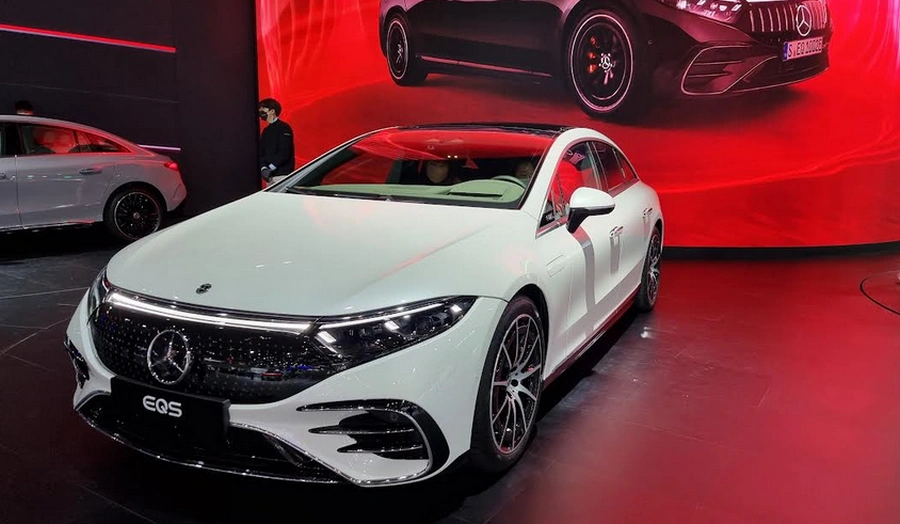
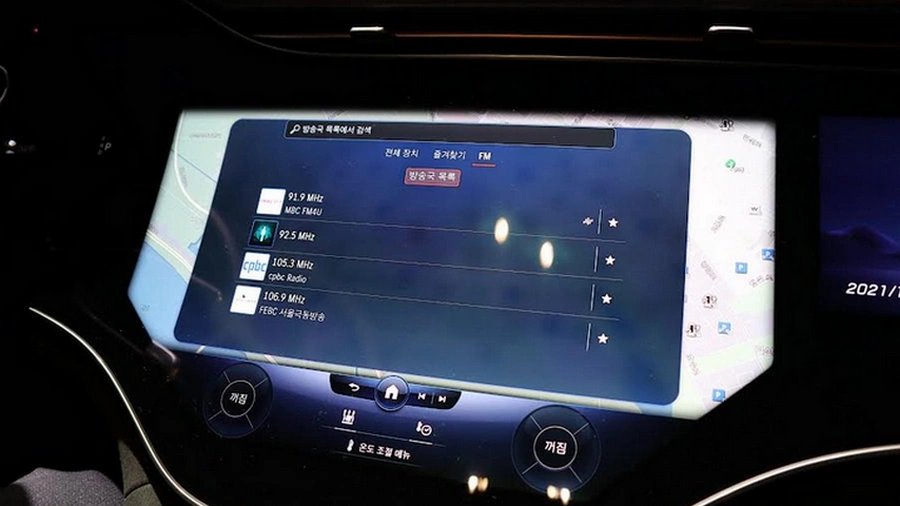
Figure 1. Mercedes-Benz displayed at the Seoul Mobility Show
Source: Xperi (2021).
2. HD Radio: History, Business Opportunities, and Future Applications
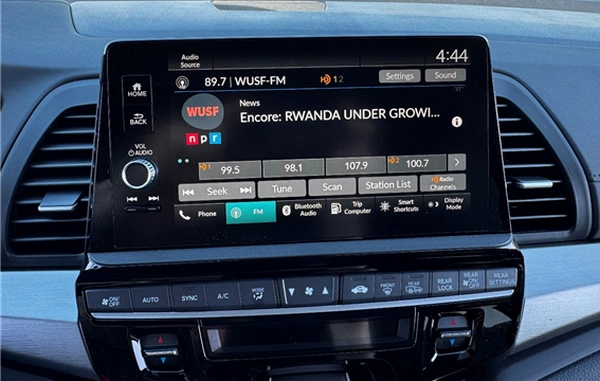
Figure 2. Honda HD Radio receiver tuned to WUSF-HD1
Source: Xperi (2026).
2-1. The Origins and Growth of HD Radio
HD Radio was built in response to a very specific competitive threat. In the early 2000s, U.S. broadcasters were facing growing pressure from new digital competitors. Satellite radio had just launched as a viable in-vehicle alternative, offering commercial-free programming and national coverage that traditional AM/FM couldn't match.
In 2002, the U.S. Federal Communications Commission(FCC) authorized In-Band On-Channel(IBOC) digital broadcasting — the underlying technology that became HD Radio. Unlike competing digital radio standards that required entirely new spectrum allocations, such as DAB in Europe, IBOC allowed stations to transmit digital signals alongside their existing analog programming on the same frequency. Stations could go digital without giving up their dial position, and any listener without an HD Radio receiver would never know the difference.
iBiquity Digital Corporation, which later became part of Xperi, developed and commercialized the IBOC standard. HD Radio receivers began appearing in vehicles and aftermarket products from 2005 onward. By the early 2020s the technology had become standard factory equipment in the majority of new vehicles sold in North America. Approximately 125 million vehicles on the road in North America now feature HD Radio, representing over 60% of new vehicles shipped in the U.S., and more than 2,700 radio stations in multiple countries broadcast in HD Radio.
In 2020, marking radio's 100th anniversary, Joe D'Angelo, SVP of Commercial Strategy and Partnerships at Xperi, said: "We believe that DTS Connected Radio (currently DTS AutoStage) and HD Radio will be key to launching radio into its next 100 years." By 2026, that vision had been substantially realized.
2-2. How Xperi Supports HD Radio Conversion
Xperi's role in the HD Radio ecosystem extends well beyond developing the standard itself. The company supports broadcasters across three principal areas of the conversion process.
On the technical side, Xperi licenses its proprietary IBOC technology to stations, allowing them to broadcast a digital signal alongside their existing analog on the same frequency with no new spectrum required. Hardware partners including Nautel and GatesAir supply the transmission equipment needed for digital signal generation and multicast channel operation, while Xperi provides hands-on support for installing multicast infrastructure and transmitting real-time metadata to connected vehicle systems.
Xperi also works directly with the FCC on regulatory updates, most notably advocating for higher digital power limits for FM stations and adjustable signal power configurations that maximize digital coverage while protecting neighboring frequencies. Promoting interoperability across all HD Radio receivers remains a core part of that effort.
On the automotive OEM front, Xperi works directly with automakers to embed HD Radio as factory-installed equipment, ensuring the technology reaches drivers through the vehicles they buy. It also supports consumer hardware manufacturers in developing receivers capable of decoding both analog and digital signals.
2-3. Core Capabilities of HD Radio Technology
HD Radio technology enables AM and FM stations to broadcast digital signals alongside their analog signal. The most immediate benefit is audio quality. FM HD
Radio delivers near-CD-quality sound, free from distortion, and AM HD Radio reaches fidelity comparable to traditional analog FM removing static, pops and cracks. Beyond audio, a single licensed frequency can carry up to three additional digital sub-channels (HD2, HD3, and HD4), allowing stations to run entirely separate formats and additional content such as 24/7 sports, niche music, or foreign-language programming without acquiring additional spectrum. Using an HD2 or HD3 signal to feed an FM translator effectively creates a new FM signal on the dial, generating its own advertising inventory without requiring additional spectrum or licensing. Stations can simultaneously broadcast both digital and analog signals, ensuring a smooth transition and full backward compatibility for listeners without HD Radio receivers. And HD Radio's digital technology resists interference and reduces signal fading, delivering more consistent reception in urban and suburban driving conditions. For listeners in the vehicle, HD Radio technology supports advanced metadata services which allow receivers to display song titles, artist names, album artwork, station logos, and emergency alerts in real-time, making the listening experience more immersive and "sticky" and transforming the in-vehicle radio interface from just a frequency display into something visually competitive with streaming services. The data channel also delivers advanced data services like traffic, weather, and emergency information at up to ten times the speed of conventional broadcast data services. All of this is free to consumers, with no monthly subscription and no smartphone data required, making HD Radio universally accessible regardless of economic circumstances.
2-4. The Quu Partnership: Screenifying Radio
Quu, an industry leader in providing easy deployment of visual content for radio, and HD Radio have a strategic partnership to enhance in-vehicle entertainment by delivering synchronized text and visual images to radio displays, what the industry has started to call the "screenification" of radio. This collaboration allows broadcasters to display station logos, album art, and visuals for advertisers on screen, boosting listener engagement and creating new revenue streams through "Advertiser Experience" technology. Stations can display their own logo, promotional imagery, and curated album art on the in-vehicle screen, giving radio a visual presence that competes directly with streaming services. When a commercial airs, the advertiser's visual branding appears on the dashboard screen simultaneously, creating inventory that never existed before digital. Radio groups including Beasley Broadcast Group and Audacy have already integrated the technology. According to Quu, stations are realizing a 10–15% premium for synchronized text with audio ads, and a 25–30% premium when text and images are combined. In today's dashboard environment, visual presence matters. Stations that actively use the screen reinforce their brand every time a listener looks at the display. Stations that do not risk becoming invisible beside streaming platforms designed around visual interaction.
2-5. Revenue-Generating Opportunities for Broadcasters
HD Radio was built to improve audio quality. What broadcasters have discovered is that it also opens up revenue streams that didn't exist before. The HD2, HD3, and HD4 subchannels allow stations to target niche audience segments with formats that attract specialized advertisers, or to lease unused capacity to third-party content providers for recurring monthly revenue. Stations can also use their additional channels to power an FM translator, effectively launching a new station on the analog dial at a fraction of the cost of acquiring a new license. The Artist Experience® and Advertiser Experience features allow broadcasters to bundle visual dashboard inventory with audio spots, opening premium pricing conversations with advertisers who want multimedia campaigns.
2-6. Future Applications
HD Radio's capabilities extend well beyond audio quality and revenue opportunities. Two developments in particular carry broader significance for regulators and public service broadcasters.
Emergency Communications and Data Services: As a one-to-many broadcast medium that operates independently of internet and cellular networks, HD Radio provides a resilient channel for emergency communications when other infrastructure fails. The same data channel can also carry real-time traffic and weather information, structured as value-added offerings to automotive OEMs and navigation platform providers.
All-Digital Broadcasting: The FCC has authorized U.S. stations to transition to full all-digital operation, eliminating the analog signal entirely. All-digital broadcasting enables higher audio quality, additional subchannels per frequency, and expanded data capacity.
3. Evolution of Xperi's Connected Vehicle Products: DTS AutoStage, TiVo, AIM Player, and RAPID
HD Radio established the foundation for digital in-vehicle radio. The next challenge is ensuring that broadcast radio participates fully in the connected vehicle ecosystem that has grown up around it. DTS AutoStage is Xperi's answer to that challenge: it is the only global in-car entertainment platform designed for an immersive and unified media experience. It combines the over-the-air broadcast signal with IP-delivered metadata, enriching the in-vehicle experience in ways that broadcast alone cannot. Since the dashboard is now a multimedia environment, radio must meet the same expectations for discovery, visual engagement, and measurement. Xperi is the only company with multiple complementary solutions to support broadcasters across this full transition: DTS AutoStage, TiVo, AIM Player, and RAPID, each addressing a different dimension of the connected vehicle media environment.
3-1. DTS AutoStage: Audio, Analytics, and More
DTS AutoStage is a global in-car entertainment platform for the automotive market, first deployed in 2020 and continuously expanded since. As of 2026, it is integrated into approximately 16 million vehicles globally, spanning 13 automotive brands: Mercedes-Benz, Maybach, Hyundai, Genesis, Kia, BMW, MINI, Ford, Lincoln, Nissan, Infiniti, Tesla, and Audi.
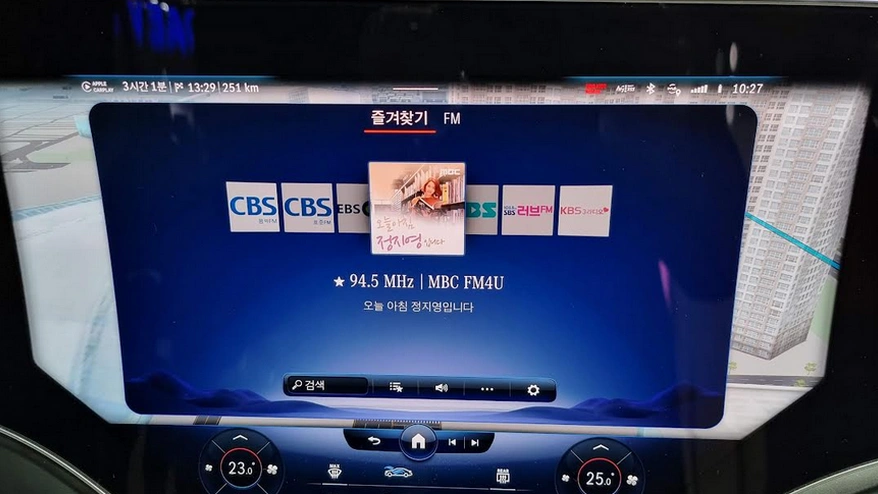
Figure 3 DTS AutoStage in a Mercedes-Benz vehicle
Source Xperi (2021).
The platform aggregates content from broadcasters in more than 150 countries and reported approximately 300% growth in its global vehicle footprint between 2024 and 2026. DTS AutoStage integrates HD Radio, digital audio, and IP-delivered content into one consistent dashboard interface, monitoring connectivity in real time and switching seamlessly between over-the-air broadcast and IP-delivered content to maintain uninterrupted listening.
Figure 4 DTS AutoStage in a Mercedes-Benz vehicle
Source Xperi (2021).
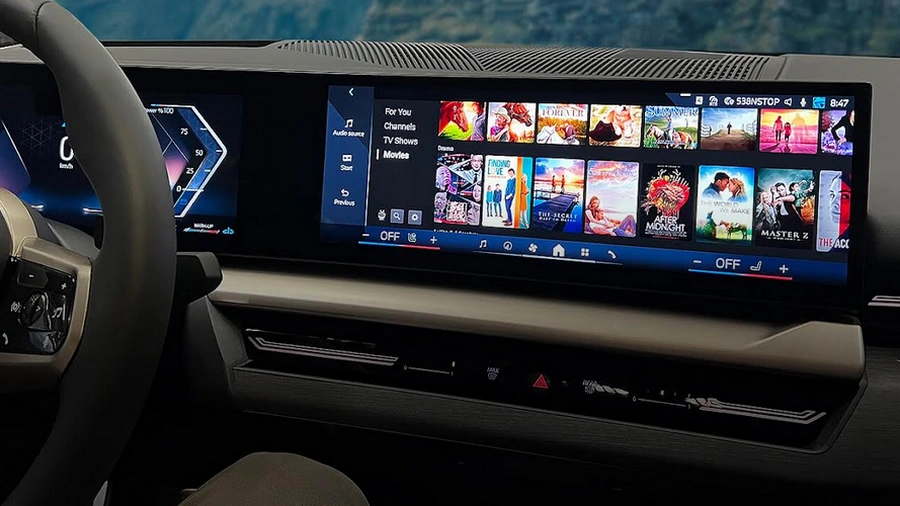
The platform also incorporates the DTS AutoStage Video Service, Powered by TiVo, delivering on-demand video content personalized by TiVo's recommendation technology, as well as the capability for in-vehicle gaming for passenger entertainment. Through the DTS AutoStage Broadcaster Portal, the platform gives radio stations something that until now was unavailable: near real-time data on in-vehicle listener behavior, at an unprecedented scale, including who is listening, when, where, and for how long.
Figure 5 DTS AutoStage Video Service in a BMW vehicle (Powered by TiVo)
Source Xperi (2026).
The analytics dimension of DTS AutoStage is one of the areas where the platform's impact on broadcaster economics is most tangible. The DTS AutoStage Broadcaster Portal analyzes over 12 billion pieces of data monthly and is used by thousands of statio
ns across the U.S. The data updates within 24 hours, meaning that, for the first time, a programmer can see the impact of a schedule change, a live event, or a back-to-school morning on in-vehicle listening the very next day. As Lee Perryman, owner of Radio Alabama in Sylacauga, told Radio World: "It has changed my life, because I'm able to show prospective advertisers where and when people are listening, which I can't do otherwise." Perryman operates in an unrated market, which means without DTS AutoStage data, he has no metrics at all. DTS AutoStage is central to transforming the car into a "third space," a place outside of home and work, a place to relax and escape the stresses of work – including the vehicle where broadcasters can finally see, measure, and monetize what has always been radio's strongest listening environment.
3-2. TiVo Video Service and TiVo Ads
TiVo, long associated with television recording and content discovery in the home, now contributes to Xperi's connected vehicle strategy. The DTS AutoStage Video Service, Powered by TiVo brings on-demand video to the vehicle, using TiVo's metadata and recommendation technology to surface relevant content for passengers.
TiVo Ads extends the platform's commercial capabilities. It operates as a targeted advertising solution that delivers video and display advertisements within the in-vehicle interface, combining the captive attention of the in-vehicle media environment with data-driven targeting. The discovery, personalization, and visual engagement of these solutions complement DTS AutoStage by driving the dashboard expectations that radio must compete within.
3-3. AIM Player: Broadcaster Apps for Every Screen
For broadcasters, one challenge extends beyond the dashboard itself: maintaining a consistent listener relationship across mobile devices, connected TVs, and streaming platforms. Cross-platform continuity is critical to stronger measurement and monetization outcomes, as the listener relationship extends beyond the car. Many stations simply do not have the resources to build and maintain separate applications for every environment. AIM Player was developed to address that problem.
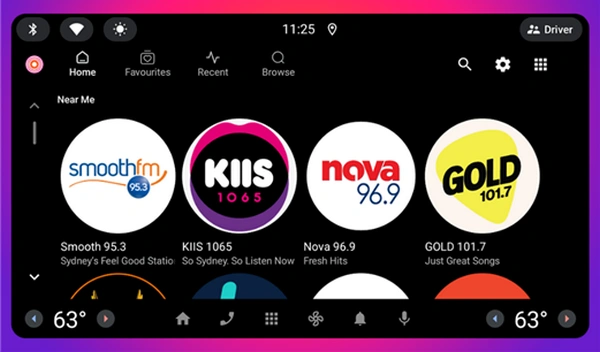
Figure 6 Android Automotive app featuring multiple stations, created with AIM Player
Source Xperi (2026).
A single broadcaster workflow on AIM Player delivers a consistent branded experience across mobile devices, smart speakers, connected televisions, and in-vehicle systems. The platform supports display advertising, in-stream audio and video ads, and in-app subscription models, while TiVo's metadata layer ensures full album art, artist imagery, show descriptions, and real-time song information throughout. Push notifications, listener competitions, and built-in analytics enable broadcasters to build direct audience relationships and respond to listening behavior in real time. The platform can also function as an aggregator: the UK's Nation Player app demonstrates how AIM Player can serve as a central hub for multiple stations and podcast networks, increasing its value for broadcasting groups and listeners alike.
AIM Player also offers the ability to mirror your phone using CarPlay & Android Auto – and has developed that capability into Android Automotive apps. AIM Player can also develop completely custom versions of Android Automotive.
3-4. RAPID: Powering Visual Radio for Broadcasters
RAPID is a software platform for radio broadcasters that enhances broadcaster metadata readiness at scale. It acts as middleware to manage, synchronize, and distribute rich visual metadata—such as album art, station logos, news alerts, and track information—across FM, HD Radio, DAB+, connected cars, and mobile apps. Key features include:
Visual Enrichment: Automatically syncs live audio with enhanced visuals, using licensed album artwork from TiVo.
Cross-Platform Delivery: Pushes content directly to DAB+ receivers, car dashboards, web browsers, and mobile apps simultaneously.
Content Management: Allows radio DJs and producers to easily schedule shows, manage visual advertisements, and publish news alerts.
Enhanced Monetization: Supports the display of visual advertisements alongside audio streams.
As cars have bigger displays, broadcasters need better metadata to make radio look as good as it sounds. While broadcast platforms and DTS AutoStage can deliver that experience, they require broadcasters to provide high-quality metadata—that's where RAPID comes in by making it easy for broadcasters to deliver that visual service across a range of platforms, including cars.
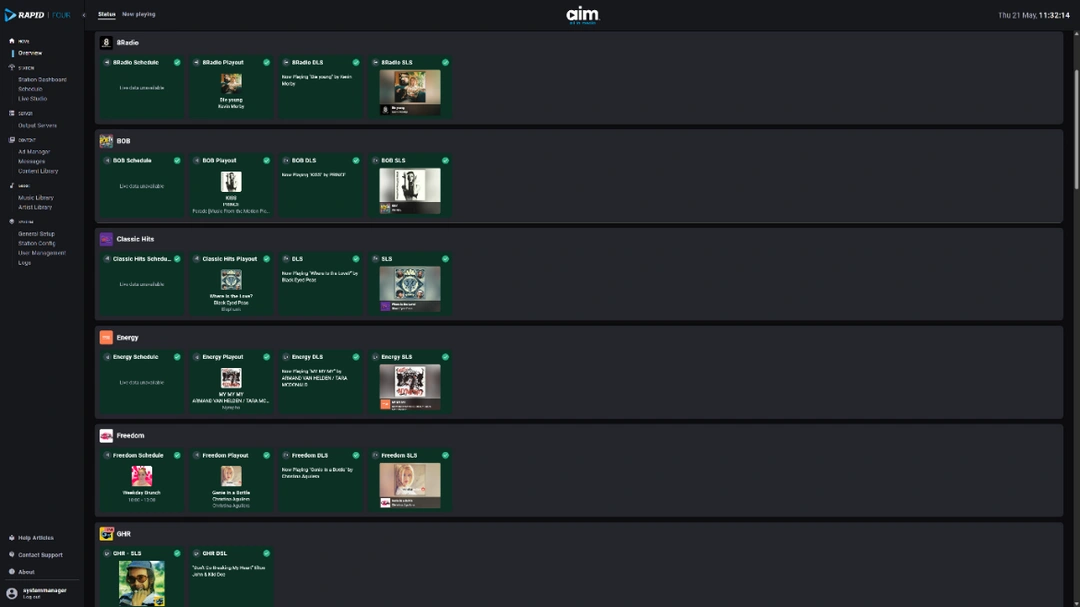
Figure 7 RAPID user interface
Source Xperi (2026).
Together, DTS AutoStage, TiVo, AIM Player, and RAPID, give broadcasters a way to follow their audience across every screen, not just the dashboard.
3-5. Monetization Opportunities from HD Radio and DTS AutoStage
Most of radio's in-vehicle audience has never shown up in a broadcaster's analytics. That's the gap the DTS AutoStage Broadcaster Portal was built to close. At Xperi, the guiding principle is simple: broadcasters should no longer have to settle for analog data in a digital world.
The DTS AutoStage Broadcaster Portal
The DTS AutoStage Broadcaster Portal gives radio stations access to verified in-vehicle listening data drawn directly from the DTS AutoStage vehicle network. As of April 2026, the platform generates approximately 34 million hours of listening data per month in the United States alone, spanning 302 distinct markets and averaging approximately six hours of data per vehicle per month.
In April 2026, Xperi launched a Premium tier of the portal at the NAB Show, adding capabilities that advance the state of radio audience measurement:
Station Rankings with Daypart Granularity: For the first time in the radio industry, broadcasters can see exactly where their station ranks in its local market and in adjacent markets, broken down by daypart: overnight, morning drive, midday, afternoon drive and evening. Rankings are delivered in near real-time.
Near Real-Time Data — by Day, Week, Month and Quarter: Instead of waiting months for delayed reports, Premium subscribers can watch patterns evolve in near real-time and use them to shape everything from programming to promotions, enabling broadcasters to respond to seasonal spikes, live events or schedule changes while it still matters.
Expanded Music Charts — Top 100 Songs: Premium subscribers gain access to weekly top 100 song rankings by total listening sessions, with spins, average sessions per spin and week-over-week chart movement.
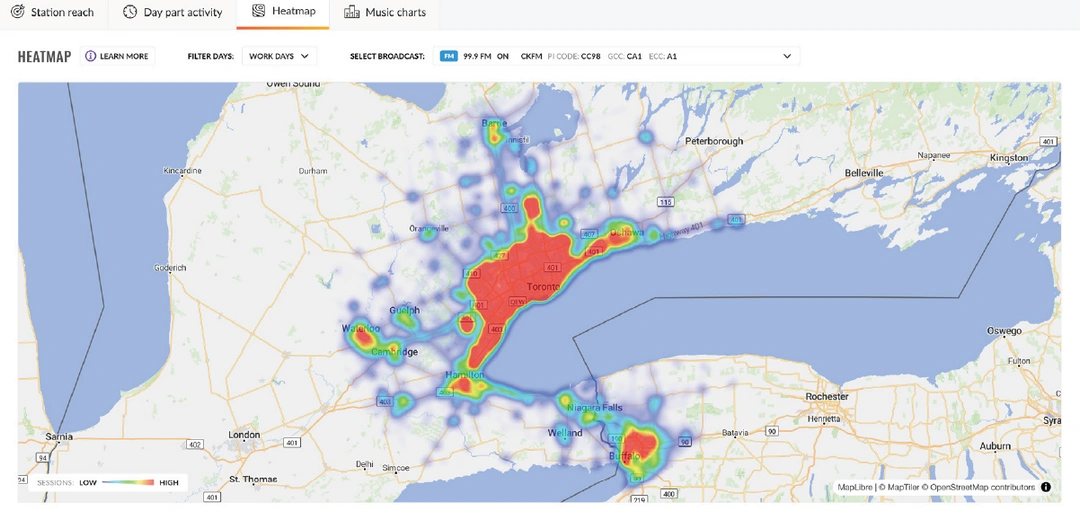
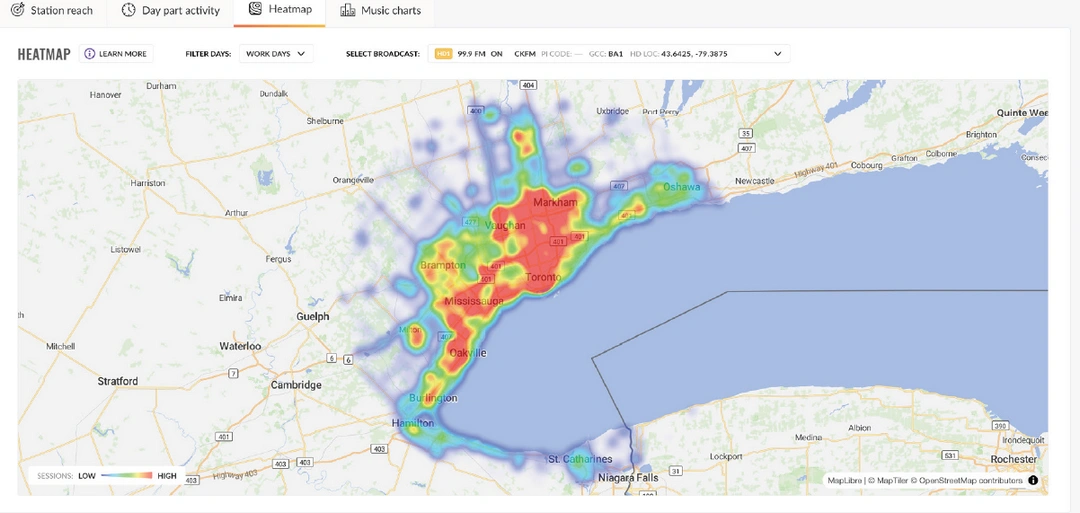
Enhanced Combined Listening Heatmaps: Premium subscribers can view listening heatmaps with all broadcast frequencies — FM, HD and translators — combined into one unified view, as well as weekly and monthly heatmap views.
Full Data Export: Every report in the Premium tier — market share, daypart activity, music charts, ranking position — can be exported and downloaded for use in advertiser presentations and sales materials.
Adjacent Market Monetization
Stations are now able to fully capture the in-vehicle broadcast signal reach that is not limited to a defined market. This data opens conversations with regional advertisers who previously ignored stations, assuming they don't have significant listening in other markets. The Broadcaster Portal's heatmaps of verified over-the-air consumption in markets make this case visual and immediate, showing an advertiser where in-vehicle listening is occurring and making the value of a 30-second spot much more tangible. It is a significant advantage when competing against digital platforms for local ad budgets.
Figure 8 DTS AutoStage Broadcaster Portal listener heatmap of 99.9 HD1 in Toronto, Ontario and surrounding areas
Source Xperi (2026).
Figure 9 DTS AutoStage Broadcaster Portal listener heatmap of 99.9 FM in Toronto, Ontario and surrounding areas
Source Xperi (2026).
4. Conclusion
The story this article has traced is ultimately about continuous innovation to ensure that broadcasters remain competitive as other media channels and digital players attempt to challenge radio's existence. The numbers show that radio continues to dominate in-vehicle listening — 53% of listening to over-the-air AM/FM radio took place in vehicles in 2025 — and the mission of HD Radio and DTS AutoStage is to ensure that radio continues to be front and center in media consumption.
HD Radio's track record speaks for itself. More than 2,700 stations around the world now broadcast in HD Radio, and the technology is standard equipment in the majority of new vehicles sold in North America. That scale has proven something important: digital in-band broadcasting works, it is cost-effective, and it delivers CD-quality audio, metadata for rich visuals on screen, multicast channels, and data services, all within the existing broadcast infrastructure stations already own. The Quu partnership adds another layer to that innovation: visual advertising synchronized to the dashboard is generating real, incremental non-spot revenue for major U.S. broadcasting groups right now.
DTS AutoStage unifies the connected car in-dash experience and delivers a unified digital entertainment solution for passenger vehicles. Bringing together radio, audio, video, and gaming content, DTS AutoStage takes the in-vehicle entertainment experience to the next level with TiVo's massive bank of metadata. Its content-first discovery ensures that listeners are receiving the entertainment they want, from a digital bank that integrates into and surrounds radio with today's content innovations. And, through DTS AutoStage's Broadcaster Portal, broadcasters are finally getting the actionable and precise metrics that will bring them into the future. Thousands of U.S. stations are already using it as a core part of how they program and sell.
For South Korea's broadcast sector, with its sophisticated technological infrastructure, strong public service broadcasting tradition, and rapidly connected vehicle market, the strategic implications are direct. The specific standards may differ, but the opportunity is the same: use the connected vehicle to finally capture the full value of in-vehicle radio listening, make it visible to advertisers, and make the experience competitive on screen. The audience is already there. The data infrastructure to serve it is being built now.
The narrative that radio is 'analog' is being dismantled by the very broadcasters who are leading the charge into the digital dashboard. By leveraging the robust capabilities of HD Radio and the data-rich environment of DTS AutoStage, the industry is proving that it can be just as analytical, visual and targeted as any digital competitor. For stations willing to make that shift, the digital dash isn't just a display. It's a platform for growth and revenue. Xperi has built the scale to make this real. The monetization is underway. Radio's big data moment has arrived.
Radio's in-vehicle audience has always been there. What was missing was the ability to see it, quantify it, and use it commercially. That is changing, and changing fast.